Mass Texting Do’s and Don’ts: How to Text a Group From Your Own Phone
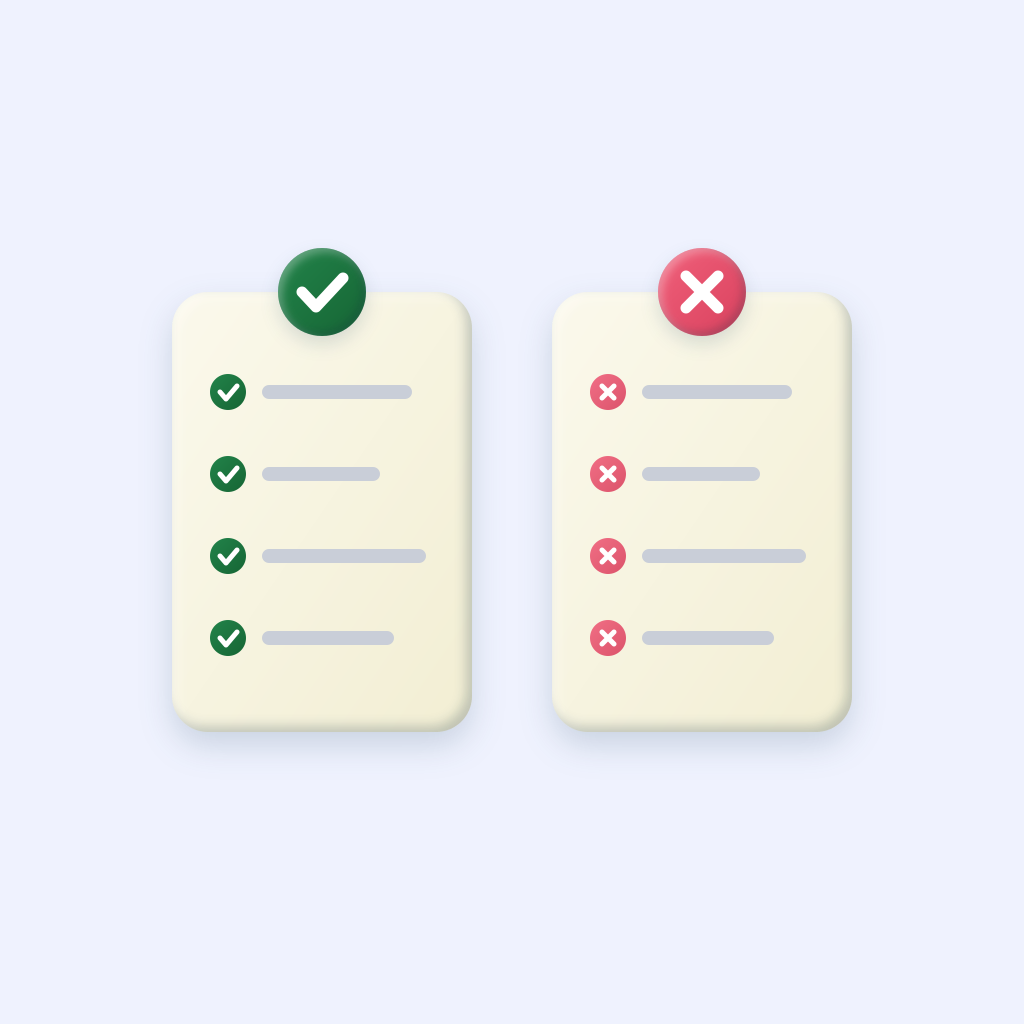
The cheat sheet
This guide is for coaches, pastors, teachers, agents, event hosts, and small business owners texting people they already know from their own phone. If that’s you, these are the habits that matter.
Do
- Text people who gave you their number
- Say who you are in the first message
- Use each person’s first name
- Keep it to one text
- Send between about 8 a.m. and 9 p.m. their time
- Make it easy to opt out, and honor it right away
- Send big lists in smaller batches
Don’t
- Text bought, scraped, or borrowed lists
- Send sales blasts from your personal number
- Start a group chat for an announcement
- Use public link shorteners
- Text the same people several times a day
- Keep texting after someone says no
The do’s
Do text people who gave you their number
The best list is one people joined themselves: a sign-up sheet, an intake form, a parent contact card, or someone who texted you first. They know who you are, they expect to hear from you, and they’re far less likely to report your message as junk.
Do say who you are
Not everyone has your number saved. Start the first message of a new list with your name and the connection: “Hi Sarah, it’s Coach Dan from the Tigers.” After that, people will recognize you.
Do use their name
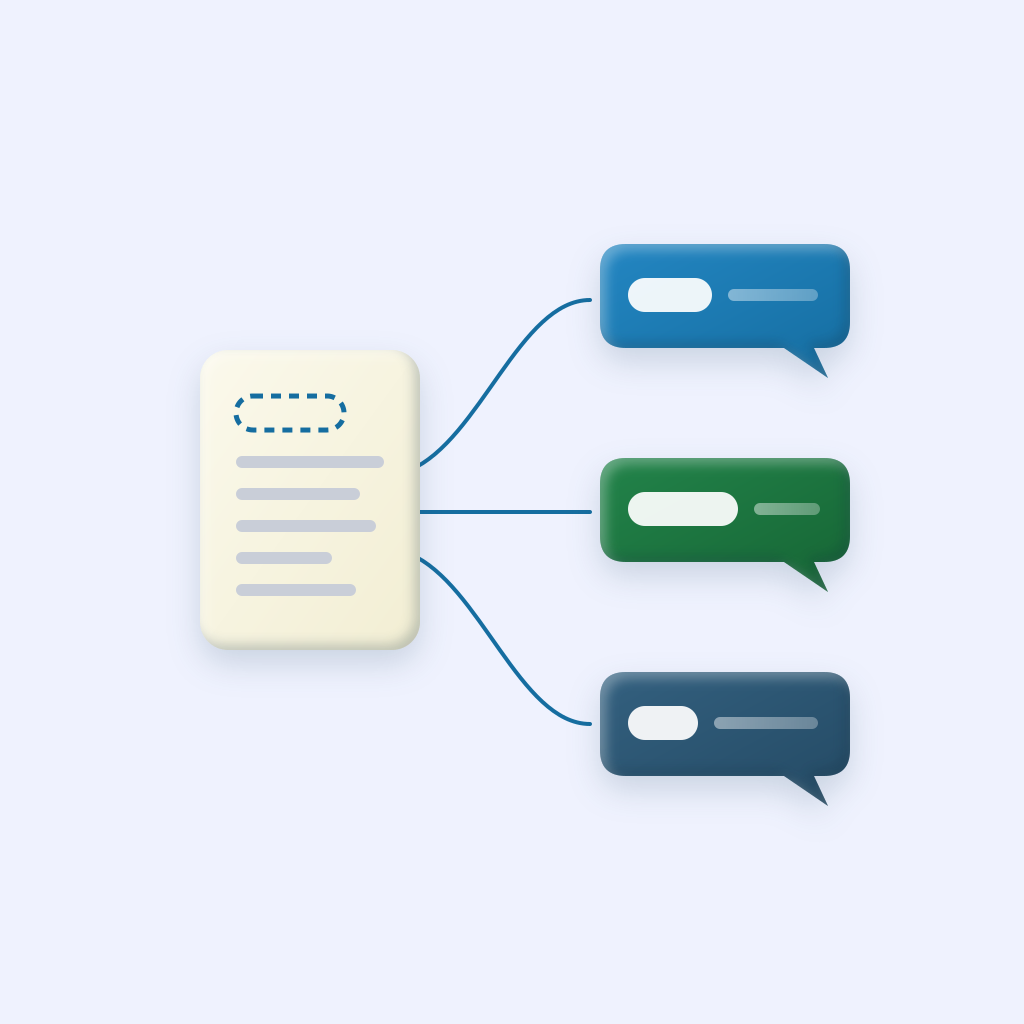
A first name turns a broadcast into a note. It also makes each message slightly different, which looks less like bulk sending. With merge tokens like {FirstName}, you write once and every person gets their own version. Our text message mail merge guide shows how.
Do keep it to one text
Plain texts fit 160 characters, but a single emoji or curly quote drops that to 70. Longer messages split into several texts that can arrive out of order. Check yours with the free text message character counter.
Do send at a reasonable hour
Aim for about 8 a.m. to 9 p.m. in the recipient’s time zone. That’s the window U.S. rules set for telemarketing calls and texts, and some states are stricter: Florida limits sales texts to 8 a.m. to 8 p.m. Personal updates aren’t telemarketing, but the same window is simply good manners.
Do make it easy to stop, and honor it right away
For a new or occasional list, add a friendly line like “Reply STOP if you’d rather not get these.” When someone asks to stop, in any words, take them off right away. Since April 2025, businesses covered by federal rules must honor opt-outs sent “by any reasonable means” within 10 business days. For personal texting, there’s no reason to take that long.
Do send big lists in smaller batches
Carriers watch for large bursts of identical texts from personal numbers. A few dozen at a time is normal. If you’re regularly texting more than about a hundred people, read sending to large groups from your personal number first.
The don’ts
Don’t text bought, scraped, or borrowed lists
Numbers from a purchased list, a website, or someone else’s spreadsheet belong to people who never asked to hear from you. That’s where most complaints, junk reports, and legal risk come from. If you didn’t get the number from the person, don’t text it.
Don’t send sales blasts from your personal number
A quick update to customers who know you is fine. A weekly “20% off” campaign to everyone who ever bought from you is marketing, and marketing texts have stricter consent rules. They’re also the messages most likely to get a personal number filtered.
Don’t start a group chat for an announcement
A group text shares everyone’s number with everyone else and sends every reply to the whole list. For announcements, send each person their own text instead. More on that in group texts are a privacy problem.
Don’t use public link shorteners
Shortened links hide where they go, so they’re popular with scammers. Business texting carriers often block them outright, and people are rightly wary of tapping them. Send the full link to a site people recognize.
Don’t text the same people several times a day
One clear message beats three partial ones. Write the whole update, read it once, then send. If something changes, one short follow-up is fine. A string of corrections trains people to mute you.
Don’t keep texting after someone says no
No “just checking,” no “are you sure?” A single unwanted message after an opt-out is the fastest way to turn a contact into a complaint.
A quick note on the law
In the U.S., the main law is the Telephone Consumer Protection Act (TCPA). Its strictest rules are aimed at marketing: promotional texts, especially automated ones, sent to people who haven’t given written consent. Several states, including Florida, add their own rules for sales texts.
Texting people you know about things they expect to hear from you, like schedules, reminders, and updates, is ordinary communication. The habits above keep you well within it. If you send promotions or text people who don’t know you, use a business texting platform with proper opt-in and opt-out tools.
This is general information, not legal advice.
When you’ve outgrown your own phone
Your personal number is the right tool for people who know you. Switch to a business texting platform if:
- Most of your texts are promotions or sales
- You text thousands of people, or people who don’t know you
- You need sign-up keywords, a shared team inbox, or compliance records
We compare the main options in SimpleTexting, EZ Texting, and SlickText alternatives.